
Clear records
history record

AI Wireless
What is 2.4G wireless dash cam?
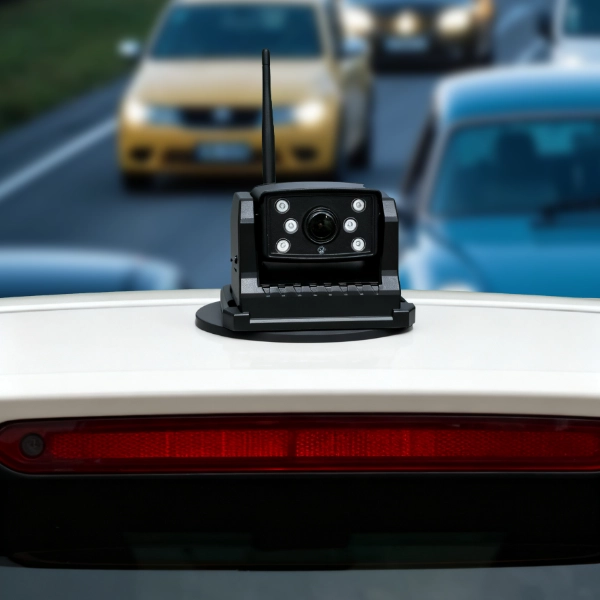
Wireless means that there is no need to connect wires between the screen and the camera. They only need to be connected to a power source. Some cameras have their own batteries.
✔ Strong signal penetration: The 2.4G wireless signal has a longer wavelength, which can better penetrate the metal body, glass and other obstacles of the vehicle. Compared with high-frequency wireless signals such as 5G, it has less attenuation when transmitted in the complex environment inside the vehicle, which can ensure a more stable connection and video transmission quality.
✔ Long transmission distance: The transmission distance of the 2.4G wireless dash cam is relatively long, generally up to about 100 meters in an open environment. It can also meet the signal transmission requirements between the front and rear cameras and the recorder host in the vehicle environment, and is suitable for vehicles with longer bodies such as large trucks.
✔ Good compatibility: The 2.4G frequency band is a common frequency band used by early wireless technologies such as Wi-Fi and has wide compatibility. Most in-vehicle electronic devices, smartphones, etc. support the 2.4G frequency band, which makes it easier for the 2.4G wireless dash cam to connect and transmit data with other devices, such as connecting to a mobile phone to view recordings.
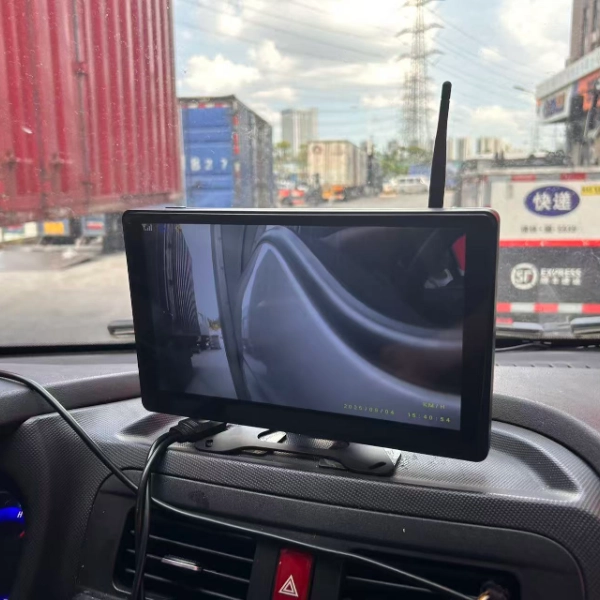
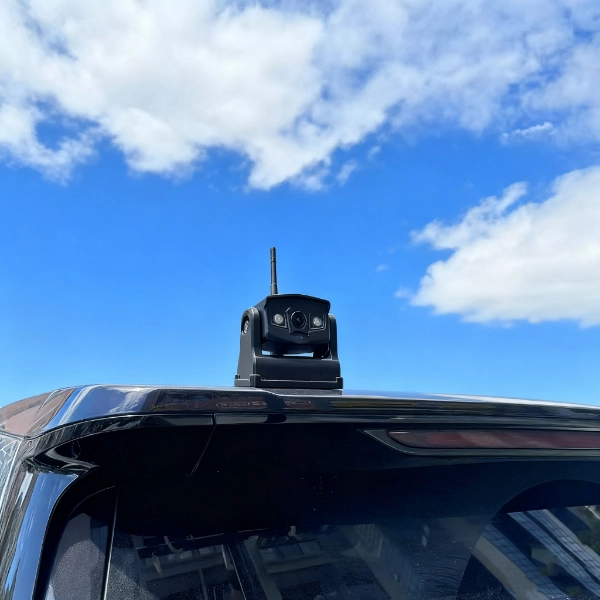
✔ Relatively strong interference resistance: Although the 2.4G frequency band is used by many devices and may cause some interference, 2.4G wireless dashcams are relatively less affected by non-Wi-Fi interference sources such as microwave ovens and cordless phones. This is because the signal frequencies of these devices overlap with the 2.4G frequency band, but the degree of interference is relatively controllable.
✔ Low cost: 2.4G wireless technology is mature, and the related hardware, such as chips and modules, is relatively low in cost. This makes the overall price of 2.4G wireless dashcams relatively affordable, offering a higher cost-performance ratio for most car owners.
✔ Easy installation: No complicated cabling is required, reducing installation time and cost, and also reducing the risk of failure due to wiring problems.
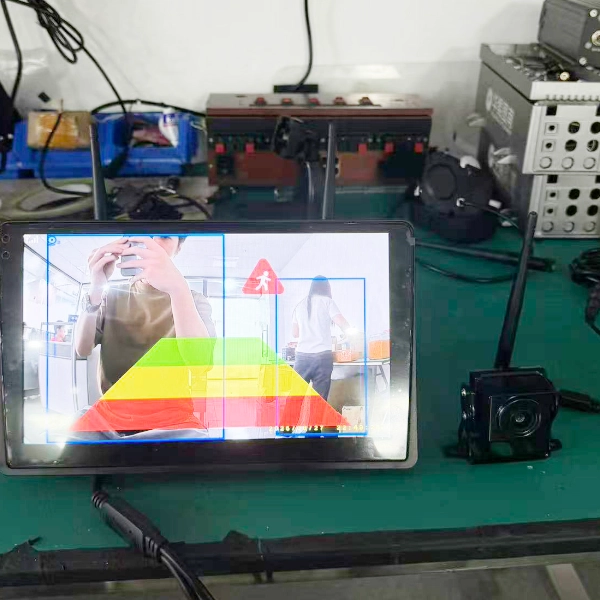
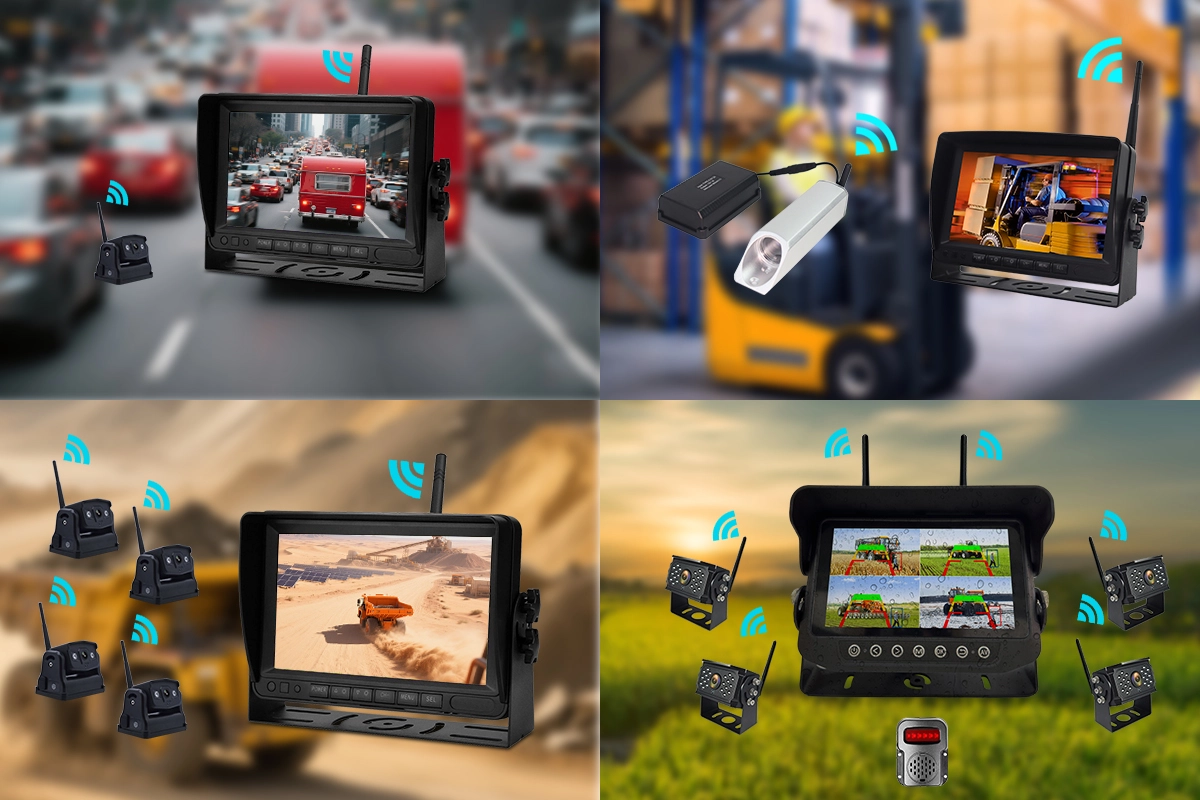
Advantages of installing AI wireless vehicle camera in different large vehicles
Construction Vehicles
✔ Adapt to Complex Operating Environments: Construction vehicles often operate in complex environments, such as construction sites and mines. Wireless on-board devices eliminate the need for wiring and can be flexibly installed in various locations. They also provide continuous and stable video signal transmission while on the move, helping drivers understand their surroundings and avoid accidents.
✔ Improving Operational Safety: Wireless devices transmit real-time footage from construction vehicles to a monitoring center, allowing management to monitor operations and promptly identify and address potential safety hazards, ensuring the safety of both personnel and equipment.
✔ Easy Equipment Movement and Debugging: Construction vehicles may need to move frequently. Wireless devices are easy to remove and reinstall, and debug, enabling rapid commissioning and reducing delays associated with equipment installation and debugging.
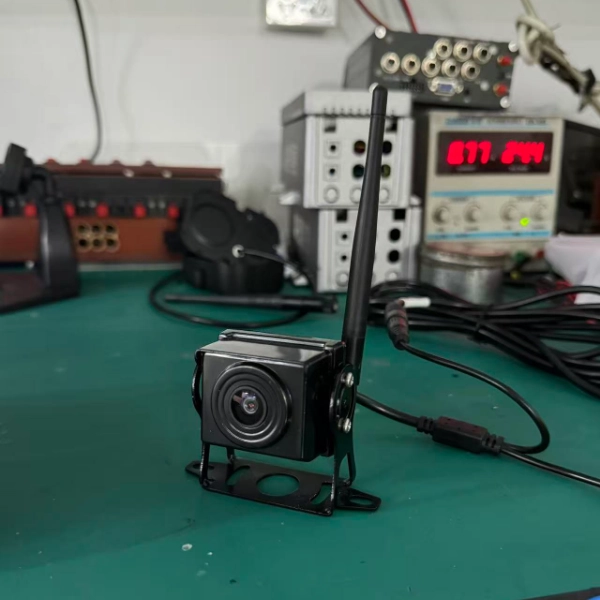
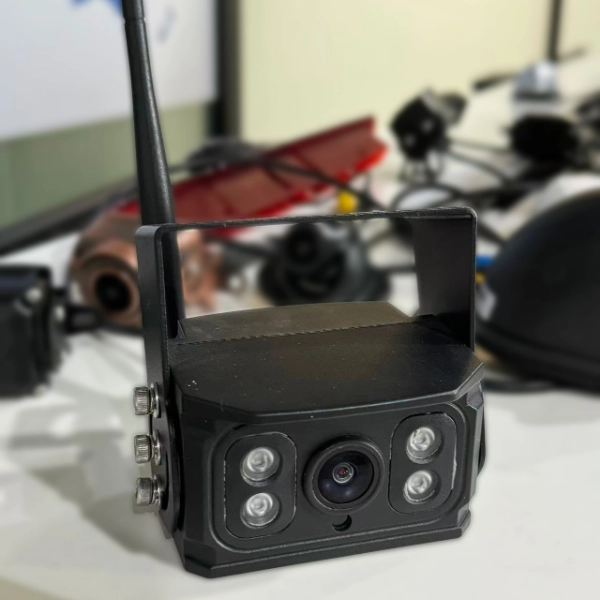
Agricultural Machinery
✔ Real-Time Operation Monitoring: Drivers can clearly see real-time images of blind spots, such as those behind and to the sides of agricultural machinery, on the monitoring screen. For example, when a harvester is operating, they can accurately observe the working status of the harvesting area, the progress of the crop, and any blockages. This allows for timely adjustments to prevent problems such as incomplete harvesting or collisions caused by blind spots. Quality Control: For agricultural machinery such as seed drills and transplanters, real-time monitoring of seeding or transplanting parameters, such as spacing and depth, ensures that operation quality meets agronomic requirements. Immediate adjustments can be made if problems such as over-dense or over-sparse seeding or improper transplanting depth are detected, improving seeding and transplanting uniformity and accuracy.
✔ Remote Management and Scheduling: Farm managers can monitor the specific location and progress of each machine in real time, enabling efficient scheduling. For example, idle machinery can be promptly deployed to areas with heavier workloads, improving both machine utilization and overall operational efficiency.