

Clear records
history record

Radar
What is millimeter-wave radar for large vehicles?
Large vehicle millimeter-wave radar is a high-frequency electromagnetic wave environment perception device designed specifically for large vehicles such as trucks, engineering vehicles, buses, and agricultural machinery. Its core function is to transmit millimeter waves with a wavelength of 1-10 mm (common frequency bands are 11GHz, 24GHz, 77GHz, and 79GHz) and utilize the reflection characteristics of electromagnetic waves to calculate the distance, speed, and direction of targets around the vehicle (pedestrians, vehicles, obstacles, etc.) in real time, providing accurate data support for driving safety and operational assistance. It is one of the core components of the active safety system of large vehicles.
Core Features (Suitable for Large Vehicles)
Strong Environmental Resistance: Unaffected by rain, fog, snow, strong sunlight, and darkness, it operates reliably in complex road conditions commonly encountered by large vehicles (such as long-distance rainstorms, dusty construction sites, and nighttime transport), compensating for the visual limitations of both the human eye and cameras.
Adaptable Monitoring Range: The range reaches 50-200 meters (long-range model), meeting both forward warning requirements for long-distance trucks traveling at high speeds and covering the side and rear blind spots (3-10 meters), addressing the challenges of large vehicles with large dimensions and numerous blind spots.
Accurate Dynamic Target Recognition: It accurately distinguishes between moving targets (such as pedestrians crossing the road or overtaking vehicles) and stationary obstacles (such as guardrails and road signs). It also measures target speed in real time, providing a basis for collision risk assessment.
Strong shock resistance and durability: With automotive-grade design, it can withstand severe bumps caused by large vehicles (such as construction sites and rural dirt roads), high and low temperatures (-40℃~85℃), and other harsh working conditions, and maintain long-term stable operation.
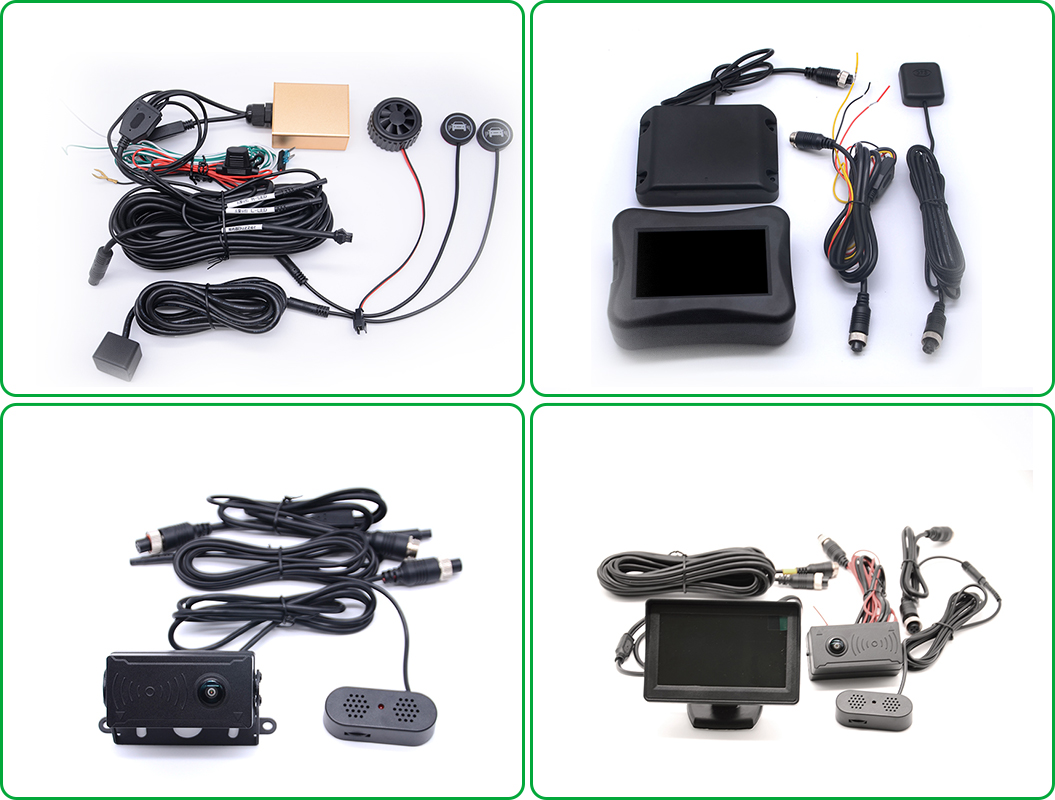
Actively Prevent Risks
Eliminating "Invisible" Blind Spot Risks
Large vehicles (such as trucks and buses) have "blind spots" such as "blind spots below the front of the vehicle." Specialized vehicles (such as fire trucks and cranes) also face "blind spots covered by the robotic arm" when operating. These blind spots are a major cause of pedestrians and small cars being crushed. Millimeter-wave radar can scan targets (pedestrians, vehicles, and obstacles) within a range of 3-200 meters in real time. For example, when a truck changes lanes, the side and rear radar can identify vehicles in the blind spot and issue an audible and visual warning, preventing accidents caused by "intuitive lane changes." When a crane is operating, the radar can monitor personnel within 5 meters of the robotic arm and trigger an early warning (with an audible or flashing light alarm).
Addressing Safety Shortcomings in Harsh Environments
Large vehicles often travel long distances and encounter conditions such as heavy rain, fog, and strong nighttime light. Specialized vehicles (such as construction vehicles and ambulances) also operate in dusty construction sites and dense smoke at rescue sites. Human eyes and cameras are susceptible to interference (e.g., cameras obscured by mud or water, or blinded by strong sunlight). However, millimeter-wave radar is unaffected by weather and lighting conditions and can stably output distance and speed data. For example, during heavy rain, trucks can use forward-facing radar to maintain a safe distance from the vehicle ahead, avoiding rear-end collisions.
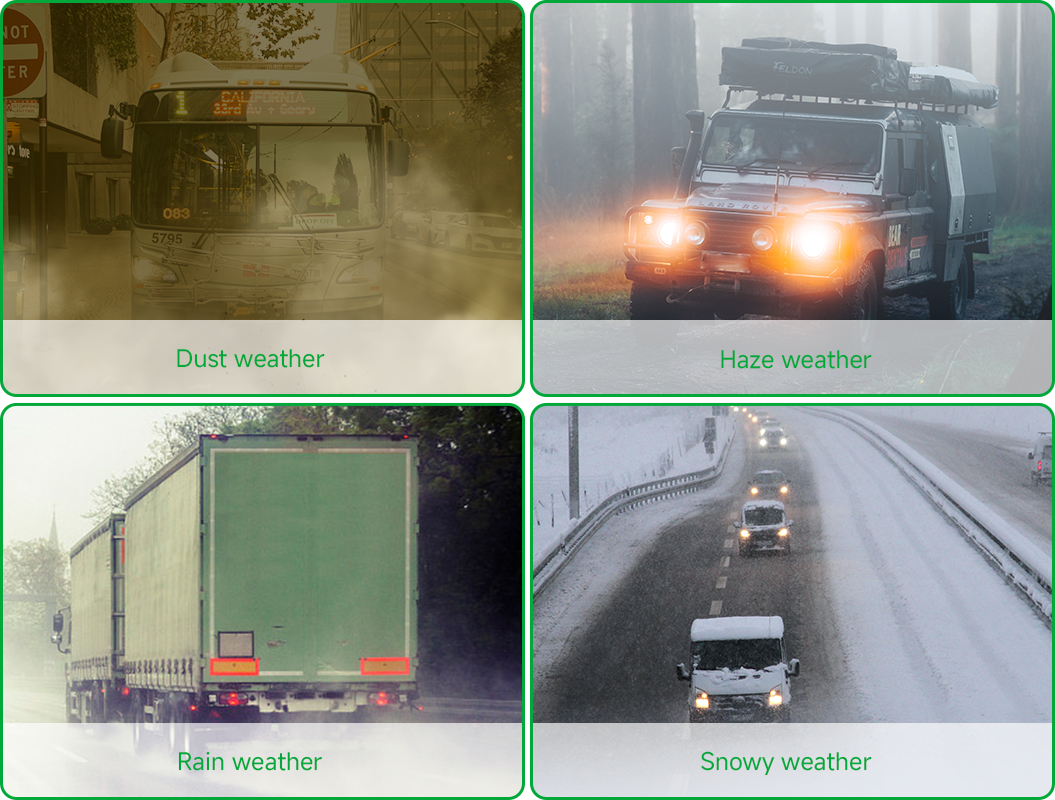
Reducing the impact of human error: Drivers of large vehicles can become fatigued after prolonged driving, and drivers of specialized vehicles can be easily distracted during emergency operations (such as fire truck rescues and ambulance transfers). Millimeter-wave radar can assist with active safety features. If a person, vehicle, or obstacle enters a blind spot, an audible or flashing alarm alerts the driver, preventing accidents.
Why Choose Shenzhen HOPE?
Since its establishment in 2008, it has more than fifteen years of manufacturing experience.
Shenzhen HOPE R&D Technology has five outstanding software engineers and two hardware engineers.
We support OEM and ODM, and the delivery time is usually only one week.
Possess "ISO9001", "IATF16949", CQC, EU CE, E-mark, RoHS and US Fcc certification.