

Clear records
history record
Truck Camera Monitoring System for Smarter Fleet Management
In modern logistics and transportation, fleet managers face increasing pressure to ensure safety, efficiency, and compliance. Trucks operate in complex environments, often encountering blind spots, unpredictable driving behavior, and risks of accidents. A truck camera monitoring system is becoming an essential solution for improving operational visibility, driver accountability, and proactive risk management. By integrating AI, 4G connectivity, and advanced monitoring technologies, fleet operators can gain real-time insight into both vehicle performance and driver behavior, creating safer and more productive operations. In this blog post, HOPE, as high quality smart vehicle camera systems manufacturing factory, will share the advantages of truck camera monitoring systems for fleet management.
How Truck Camera Monitoring System Transforms Fleet Oversight
Traditional fleet management often relies on manual reporting and periodic inspections. However, this approach leaves gaps in real-time visibility and limits the ability to respond proactively to accidents or hazardous situations. A truck camera monitoring system bridges this gap by continuously capturing video data both inside and outside the vehicle.
Modern systems support dual-channel video monitoring, allowing the front road view and interior cabin view to be recorded simultaneously. This not only enhances accident investigation but also ensures drivers maintain safe practices during long hauls. By integrating Linux-based systems with 4G networking and satellite positioning, fleet managers can remotely monitor vehicles without relying on local Wi-Fi networks, which is particularly crucial for cross-country logistics.
AI-Driven Alerts for Safer Truck Operations
One of the most innovative aspects of a truck camera monitoring system is the use of AI algorithms for driver behavior analysis and road event detection. Advanced Driver Assistance Systems (ADAS) and Driver Monitoring Systems (DMS) provide alerts for sudden acceleration, harsh braking, sharp turns, and lane departure. These real-time notifications help drivers correct unsafe behavior before accidents occur.
For example, a dual-camera setup can track driver attentiveness while monitoring road conditions. In case of distraction or fatigue, the AI generates immediate alerts, which can also be sent to fleet managers. Such proactive measures reduce collisions and enhance compliance with safety regulations.
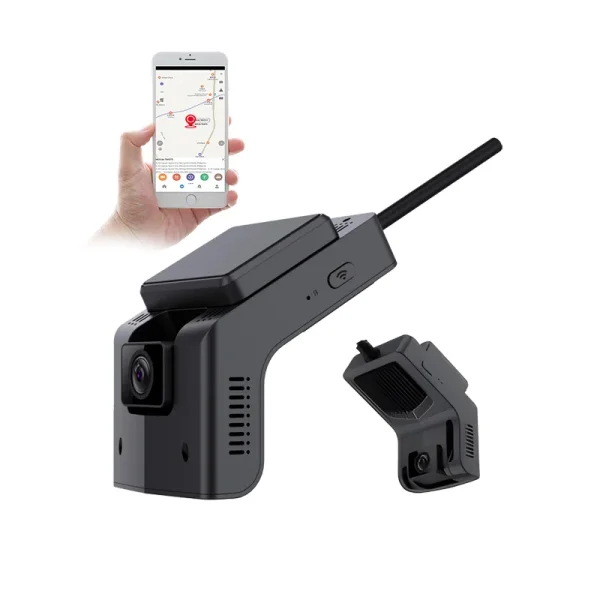
Remote Positioning and Fleet Tracking Capabilities
Fleet efficiency depends not only on safe driving but also on timely delivery and route optimization. A truck camera monitoring system integrated with 4G connectivity allows real-time vehicle positioning and historical route playback. Managers can track fleet movements, analyze route efficiency, and respond quickly to emergencies or delays.
With satellite positioning, trucks can be monitored in remote areas, ensuring oversight even in regions with limited cellular coverage. The dual-IP reporting function further guarantees that data is consistently uploaded to central management platforms, minimizing the risk of information loss.
Enhancing Driver Accountability and Performance
Driver performance directly impacts fleet safety, operational costs, and insurance premiums. A truck camera monitoring system provides objective, video-based evidence of driving behavior. This transparency encourages drivers to maintain safe driving habits while allowing management to provide targeted training when unsafe patterns are detected.
The interior camera also supports night and day monitoring, switching automatically between black-and-white and color modes as needed. This ensures consistent observation regardless of lighting conditions, enhancing both accountability and operational security.
Integration with AI and Fleet Management Platforms
Modern truck camera systems are designed to integrate seamlessly with broader fleet management software. Features such as AI alarm video upload, TTS text message delivery, and emergency notifications allow fleets to respond immediately to incidents. The system can also support in-car monitoring with ADAS/DMS algorithms, ensuring that both driver behavior and external road conditions are continuously evaluated.
Additionally, the system’s compliance with ministerial standards such as 808/905+1078 ensures regulatory adherence, making it suitable for fleets operating under strict governmental requirements. By storing data on high-capacity microSD cards (up to 256GB), fleet operators can maintain long-term records for auditing, legal protection, and operational analysis.
Practical Deployment in Diverse Environments
A truck camera monitoring system is not limited to urban highways. Its versatility allows deployment across various operational environments, including:
Long-haul logistics: Monitoring trucks over extended routes ensures driver safety and adherence to schedules.
Construction or industrial sites: AI-assisted monitoring prevents collisions with pedestrians, machinery, or obstacles in complex work zones.
Cold chain or high-value transport: Real-time alerts and dual-channel monitoring protect sensitive cargo during transit.
By adapting detection ranges and configuring alerts based on specific operational requirements, fleet managers can maximize both safety and efficiency.
Real-Time Incident Reporting and Emergency Management
Accidents and hazardous events often occur without warning. The truck camera monitoring system enhances incident response through real-time video transmission and emergency alarm functions. Managers receive instant notifications of collisions or risky driving behavior, allowing rapid coordination of support or intervention.
AI-enabled video uploads also provide detailed evidence for insurance claims, reducing disputes and accelerating processing times. This integration of preventive and responsive measures ensures fleets maintain both safety and operational continuity.
Optimizing Fleet Data for Strategic Decisions
Beyond safety and immediate oversight, the data collected by a truck camera monitoring system can be used for strategic fleet management. Historical video playback, track records, and AI analysis provide actionable insights into route efficiency, driver performance, and fuel management.
By leveraging these insights, operators can optimize scheduling, identify high-risk routes, and implement preventive maintenance strategies. Such data-driven approaches reduce operational costs while improving service reliability.
Future Trends in Truck Camera Monitoring Systems
The evolution of truck camera monitoring systems continues as AI, 5G networks, and advanced analytics become more widespread. Future systems may include:
Enhanced AI models capable of predictive risk analysis.
Integration with autonomous vehicle technologies.
Advanced connectivity allowing seamless cross-border fleet monitoring.
Cloud-based analytics for fleet-wide performance benchmarking.
Staying ahead of these trends enables fleets to adopt smarter solutions that ensure long-term operational safety and efficiency.
Choosing the Right System for Your Fleet
Selecting the right truck camera monitoring system requires consideration of operational scale, environmental conditions, and regulatory requirements. Key factors include:
Camera quality and coverage: Dual-channel HD cameras with night/day capabilities.
AI functionalities: ADAS, DMS, and real-time alerting.
Connectivity options: 4G support, satellite positioning, dual-IP reporting.
Data management: Large-capacity storage and secure upload features.
By carefully evaluating these aspects, fleet managers can implement a solution that meets both immediate safety needs and long-term operational goals.
Conclusion
A truck camera monitoring system has become an indispensable tool for modern fleet management. By combining AI-driven monitoring, dual-channel video capture, 4G connectivity, and real-time alerts, fleets can enhance driver safety, operational efficiency, and regulatory compliance.
With the ability to track both driver behavior and road conditions, manage emergency events, and analyze historical data, these systems provide actionable insights for continuous improvement. For logistics companies, transport operators, and fleet managers seeking smarter, safer, and more accountable operations, integrating a comprehensive truck camera monitoring system is no longer optional—it is essential.